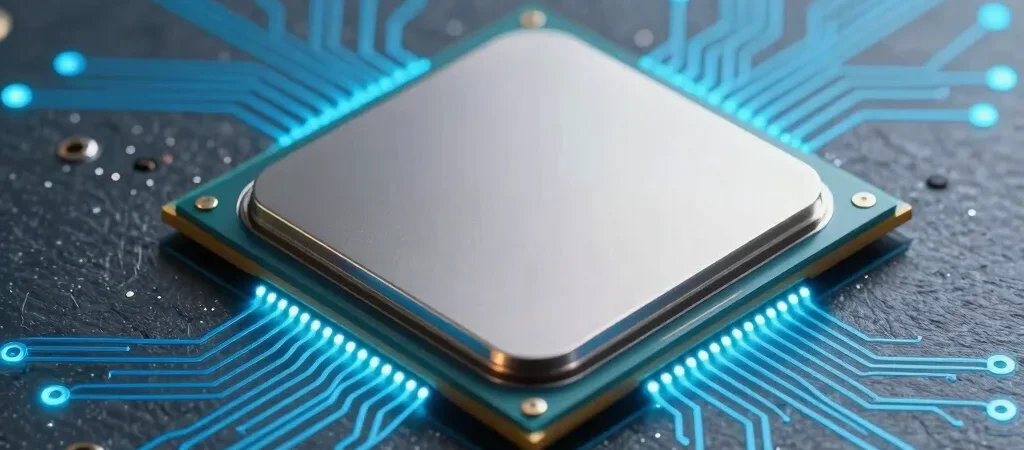
Peak synthetic benchmark numbers only paint half the picture when evaluating mobile processor efficiency. Under continuous gaming or sustained video rendering workloads, thermal dissipation limits cause chipsets to downclock to protect internal circuitry. A side-by-side comparison of sustained performance yields far better insight into daily reliability than brief burst test scores.
Peak Performance Versus Sustained Clock Speeds
Modern ARM CPU architectures balance power-hungry prime cores with high-efficiency core clusters. When heat builds up within a thin glass-sandwich chassis, high-frequency cores throttle down quickly to prevent overheating. Chipsets that maintain seventy percent or more of maximum performance over thirty-minute stress tests offer smoother gaming experiences.
Display Power Draw and Battery Endurance
The display processor and panel driver account for a substantial portion of overall battery drain during active use. LTPO backplane technology dynamically scales screen refresh down to 1Hz during static content viewing, preserving milliamp-hours. Factoring in display efficiency alongside processor power draw provides an accurate gauge for real-world battery benchmarks.
Selecting Devices Based on Efficiency and Thermal Balance
Prioritize devices equipped with generous internal heat spreaders and efficient silicon fabrication over raw megahertz claims. Reading detailed hardware reviews and thermal graph tests helps identify phones that run cool under load. Selecting well-balanced internal hardware guarantees dependable speed and prolonged battery health over years of daily operation.